











 Novig prices
Is Sports Betting Legal in New Jersey? Yes for Adults 21+, but Not on Rutgers Games
Sports betting is legal in New Jersey for adults 21 and over, but state law bans wagers on Rutgers and on college games played in the state.

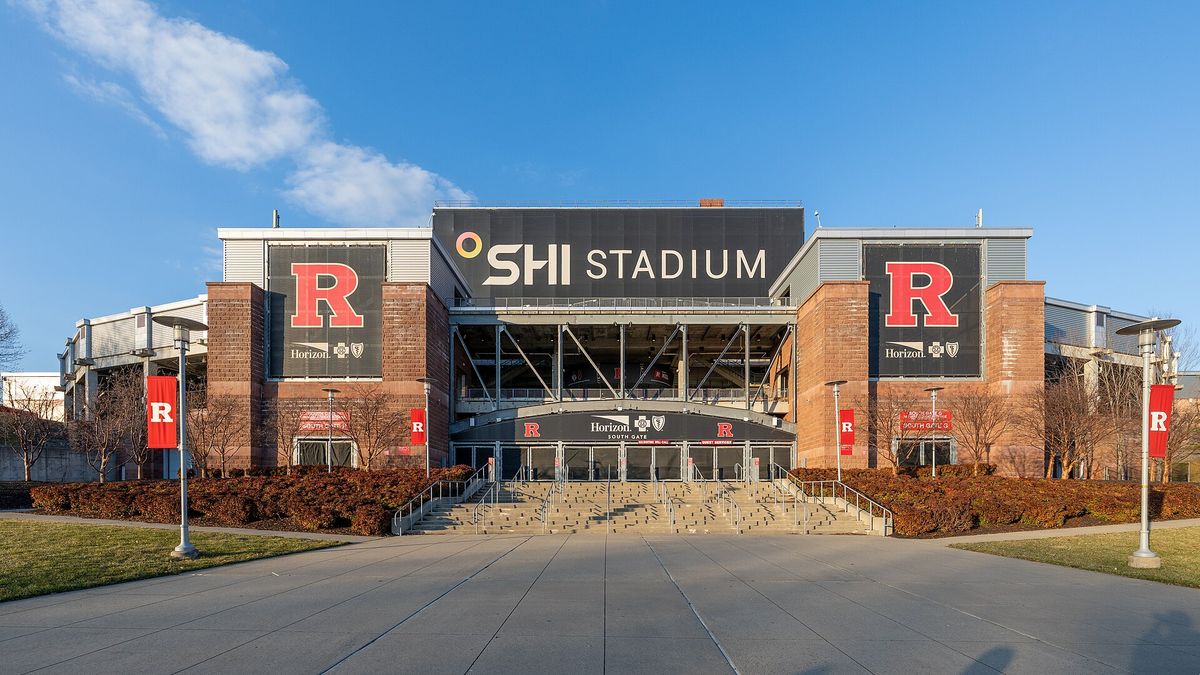
Yes. Sports betting is legal in New Jersey for adults 21 and over. It has been legal since 2018, at casinos, at racetracks and on mobile apps licensed by the state Division of Gaming Enforcement. There is one exception Big Ten fans run into every fall. The state constitution bans wagers on New Jersey college teams and on college games played in the state, so no New Jersey sportsbook offers a line on Rutgers.
Our New Jersey state guide covers the full rules. This story covers the part that is still changing in late November: a federal fight over prediction markets that New Jersey has now taken to the U.S. Supreme Court.
The sportsbook side
As of November 2026, CBS Sports and RotoWire both count 14 legal online sportsbooks in New Jersey. They include FanDuel, BetMGM and DraftKings, and all operate under the Division of Gaming Enforcement. The minimum age is 21.
The college carve-out has not changed. New Jersey voters had a chance to loosen it in 2021 and turned it down. Through the end of the regular season, a licensed New Jersey app will take action on Ohio State, Michigan or Oregon, but not on Rutgers. It also will not take action on any college game played inside the state, no matter who is playing. Readers can't get around that restriction legally. Placing a wager on a Rutgers game through a New Jersey sportsbook is not permitted, and offshore sites are not licensed in the state.
Where prediction markets stand
Prediction markets are the other half of the picture, and they are where Rutgers games do get a price. Novig and Kalshi are available to New Jersey users. As of this site's October review, Polymarket US did not serve the state. These exchanges offer event contracts under federal oversight from the Commodity Futures Trading Commission, not state gaming licenses. New Jersey has argued for two years that this distinction should not exempt them from state gambling law.
The state has lost that argument so far. In April 2026, the Third Circuit ruled for Kalshi and held that New Jersey cannot apply its gambling laws to a CFTC-regulated exchange. On Sept. 2, the state asked the U.S. Supreme Court to hear the case. The Jersey Vindicator reported that the petition asks the justices to decide who can regulate sports contracts offered by Kalshi and other prediction markets. It also reported that the industry's position has the backing of the Trump administration, and that a Kalshi spokesperson criticized the state's filing.
As of Nov. 20, the petition is the latest step in the case. The Third Circuit ruling remains the law in New Jersey, which is why Novig and Kalshi continue to list college football contracts, including Rutgers games, for users in the state.
What it means for the rest of the season
For a Rutgers fan in New Brunswick, the practical answer this week is simple. The licensed sportsbooks will not list the Scarlet Knights. Prediction markets such as Novig and Kalshi do list them, under federal rather than state rules. Any price on those venues reflects the moment it is pulled and will move before kickoff. Check the venue directly and don't rely on a number repeated elsewhere.
If the Supreme Court takes the case, the ruling would reach well beyond New Jersey. Several states are fighting the same question, and the answer would decide whether a state's college-wagering limits can apply to exchanges at all. If the Court declines, the Third Circuit decision stands in New Jersey, Pennsylvania and Delaware.
Team-specific coverage is on our Rutgers page.
If gambling stops being fun, help is available around the clock at 1-800-GAMBLER.